The manufacturing landscape is evolving rapidly. While traditional methods have served us well for decades, the push towards Industry 4.0 is making efficiency and precision non-negotiable. If you've been on the fence about upgrading your facility, you might be missing critical indicators that your current processes are holding you back.
Here are five undeniable signs that your factory is ready to embrace industrial automation and AI workflow automation.
1. High Labor Costs and Turnover
If a significant portion of your operating budget is consumed by manual labor for highly repetitive tasks, automation can offer a massive ROI. Additionally, if you are constantly battling high employee turnover in these monotonous or physically demanding roles, introducing automated systems allows you to upskill your workforce and reallocate human talent to more complex, strategic tasks.
2. Inconsistent Product Quality
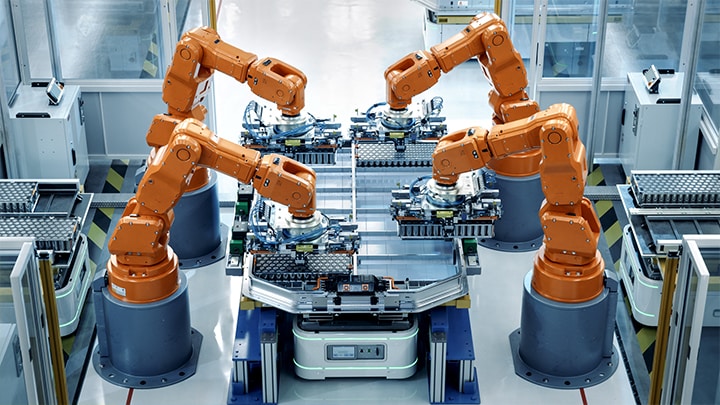
Human error is inevitable, especially during long shifts. If your quality control metrics are fluctuating or your defect rates are climbing, it’s a clear sign you need the precision of machines. Automated robotic systems and AI-driven visual inspection tools perform with near-perfect repeatability, ensuring that every product meets strict quality standards.
3. Inability to Scale with Demand
Have you ever had to turn down a large order because you simply didn't have the production capacity? If scaling up requires massive hiring sprees and extensive training periods that you cannot accommodate, automation is the answer. Automated lines can run 24/7 with minimal supervision, allowing you to easily scale output to meet market demands.
4. Frequent Workplace Safety Incidents
Manufacturing can be dangerous. If your facility has a high rate of workplace injuries or near-misses related to heavy lifting, hazardous materials, or repetitive strain, it's a moral and financial imperative to automate. Handing the most dangerous jobs over to machines immediately creates a safer environment for your human employees.
5. Data Silos and Poor Decision-Making
Are you relying on end-of-month reports to understand your daily factory performance? Modern industrial automation isn't just about moving physical parts; it's about data. Integrating AI workflow automation gives you real-time visibility into machine health, production bottlenecks, and supply chain issues, allowing your management team to make proactive, data-driven decisions.
The Next Step
Recognizing these signs is the first step. You don't need to automate your entire factory overnight. Start by identifying the single biggest bottleneck in your production line, implement a targeted automated solution, and measure the results.
FAQ
Common questions
No. While automation is designed to take over repetitive, physically demanding, or dangerous tasks, its primary goal is to augment human capabilities. Implementing AI workflow automation typically frees up your existing workforce, allowing you to upskill employees for more strategic, complex, and creative roles within the factory.